Volvo S80 II (2008) – Fuse Box Diagrams and Ratings

Volvo S80 II (2008) is a second-generation executive sedan (P3 platform), not an S80 first-generation car despite the incorrect “mk1” title on the archived … Read more
Volvo S80 II (2008) is a second-generation executive sedan (P3 platform), not an S80 first-generation car despite the incorrect “mk1” title on the archived … Read more
Volvo S80 II (2007) is a second-generation executive sedan (P3 platform), not an S80 first-generation car despite the incorrect “mk1” title on the archived … Read more
Volvo S80 II (model year 2009) belongs to the second generation, despite the old Polish archive title incorrectly calling it “mk1”. Its electrical system … Read more

Volvo S80 II (model year 2010) is the second-generation executive sedan. Its electrical protection is divided between a fuse box under the passenger glovebox, … Read more

Volvo S60 II (2010-2011) is an early second-generation sedan with an engine compartment fuse box, two modules A and B below the passenger glovebox, … Read more

Volvo S60 II (2011-2018) has a main engine compartment fuse box, two modules A and B beneath the front passenger glovebox, and a rear … Read more
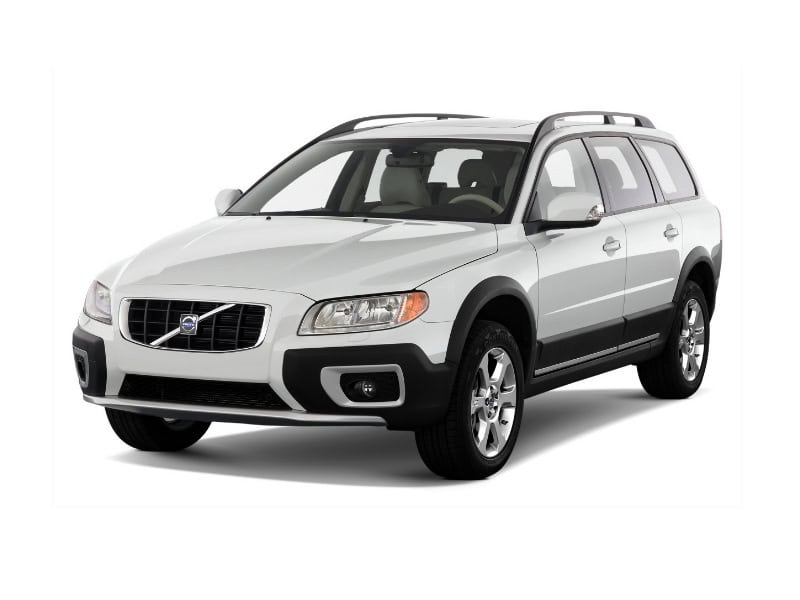
Volvo XC70 II and V70 III (2007-2016) share Volvo’s P3 electrical architecture, but their fuse assignments changed between early and later production. The V70 … Read more
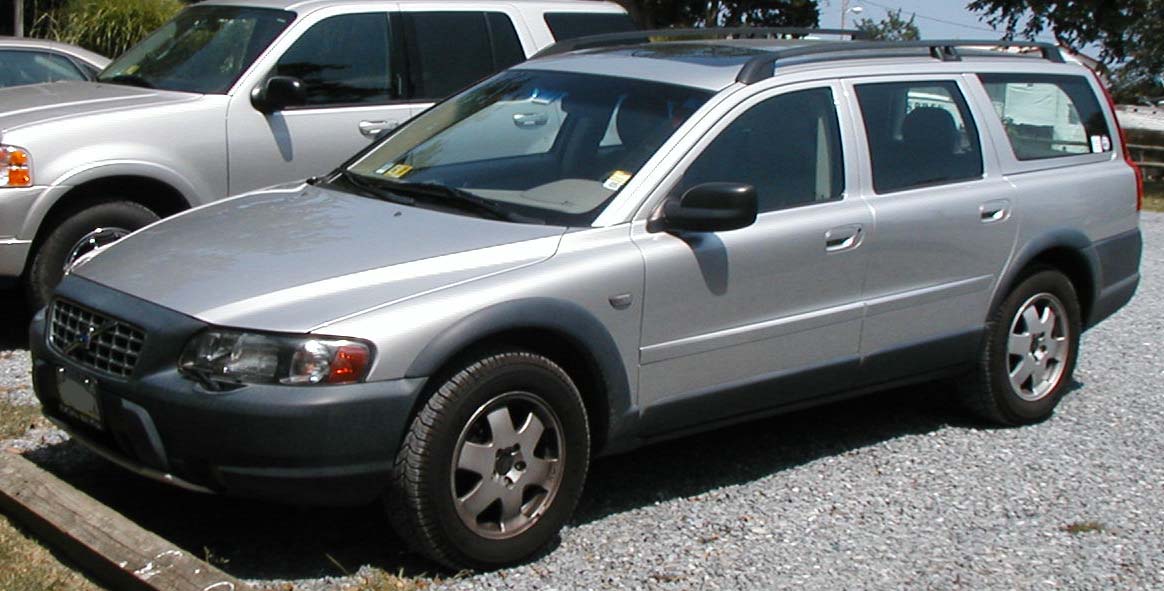
Volvo XC70 P2 (2003-2006) uses different fuse-box arrangements across its production years. The 2003 and 2004 cars have three fuse panels, while the 2005 … Read more
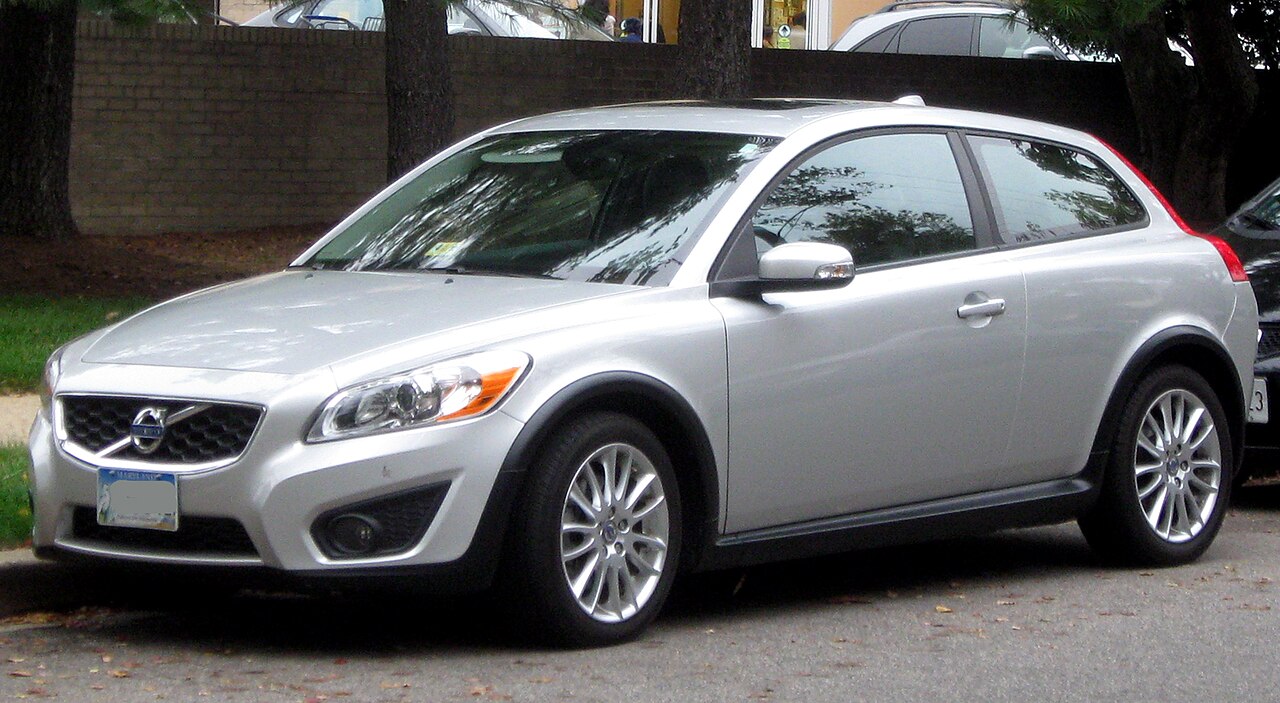
Volvo C30 (2010-2013) is Volvo’s three-door hatchback based on the P1 platform. There are two main fuse panels: under the bonnet beside the battery … Read more

Volvo C30 (2009) is Volvo’s three-door hatchback based on the P1 platform. There are two main fuse panels: under the bonnet beside the battery … Read more

Volvo C30 (2006-2008) is Volvo’s three-door hatchback based on the P1 platform. There are two main fuse panels: under the bonnet beside the battery … Read more
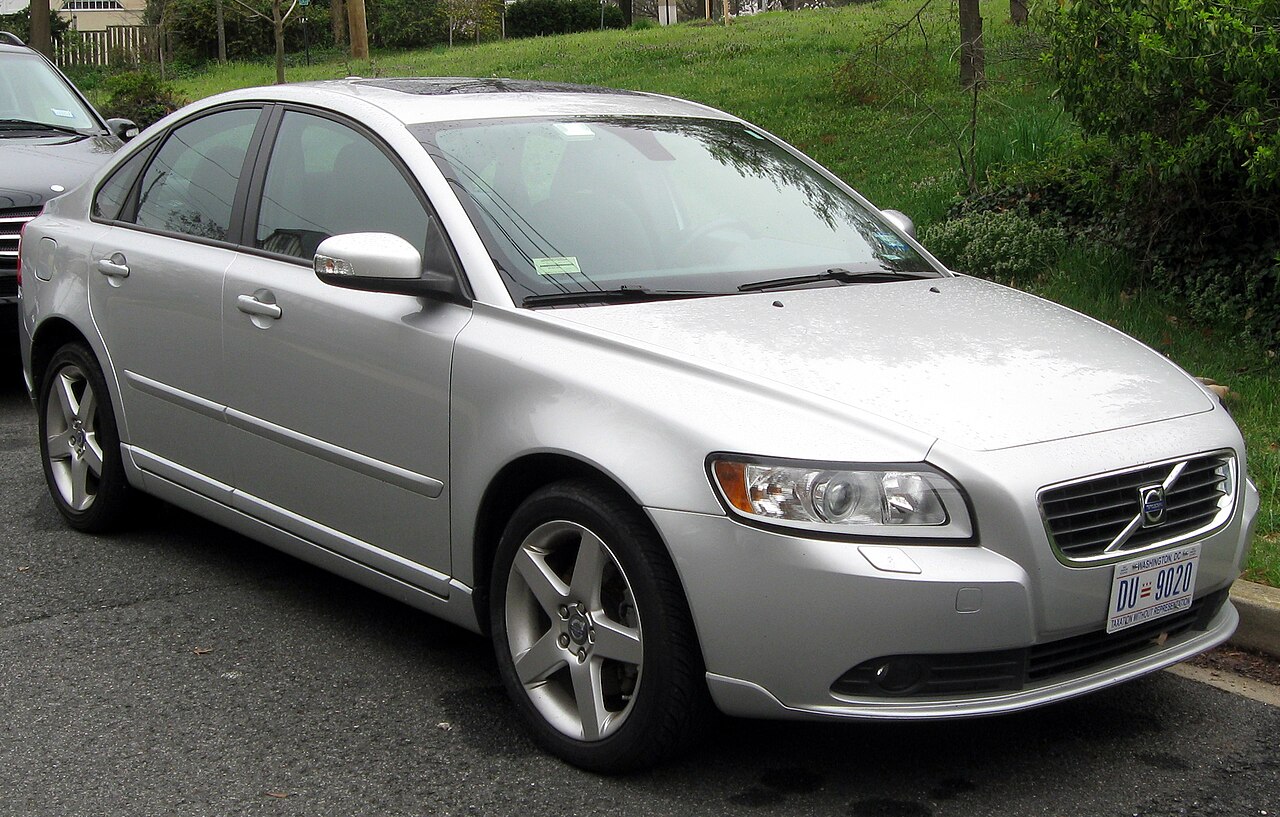
The second-generation Volvo S40 II (2012) is a compact European sedan from Volvo’s P1 family. It has one 36-position engine-bay fuse box beside the … Read more
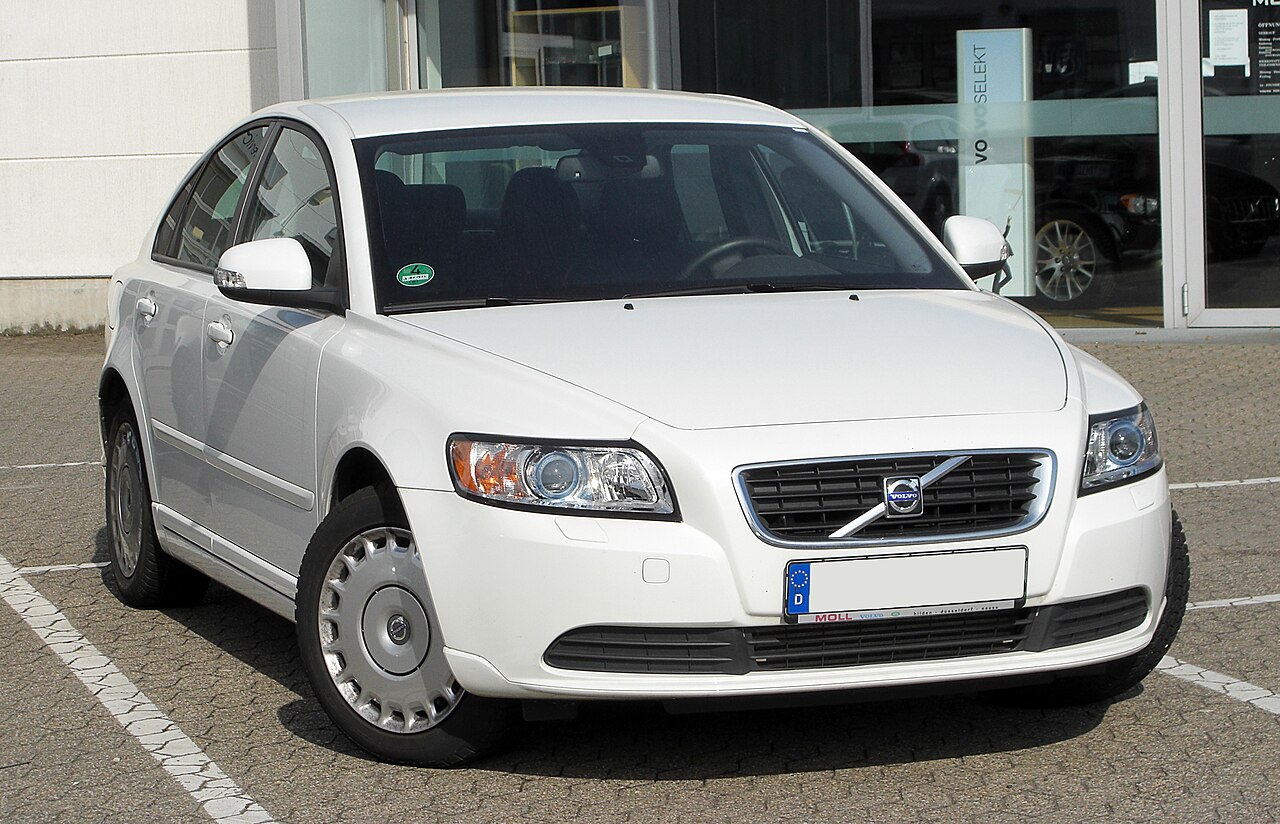
The second-generation Volvo S40 II (2011) is a compact European sedan from Volvo’s P1 family. It has one 36-position engine-bay fuse box beside the … Read more
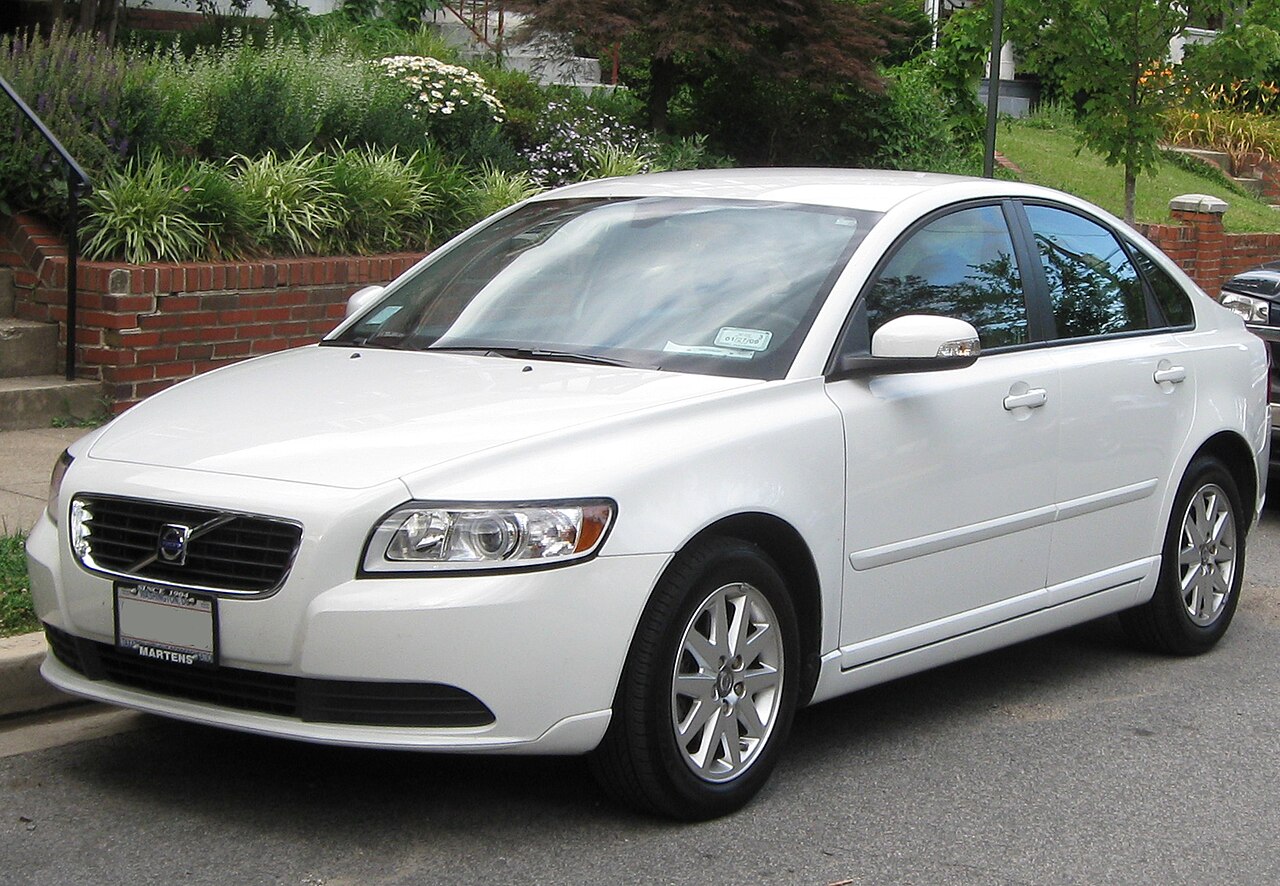
The second-generation Volvo S40 II (2010) is a compact European sedan from Volvo’s P1 family. It has one 36-position engine-bay fuse box beside the … Read more
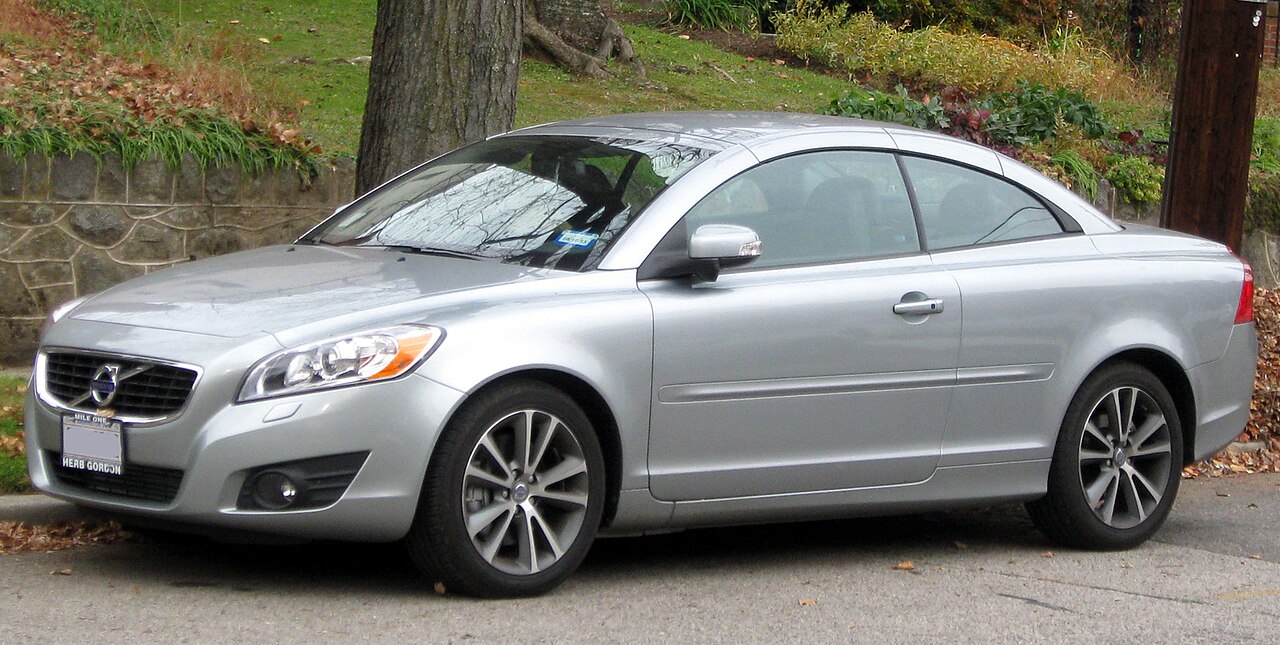
The second-generation Volvo C70 II (2010-2013) is a two-door coupe-convertible equipped with a three-piece power retractable hardtop. It has two main fuse boxes: a … Read more
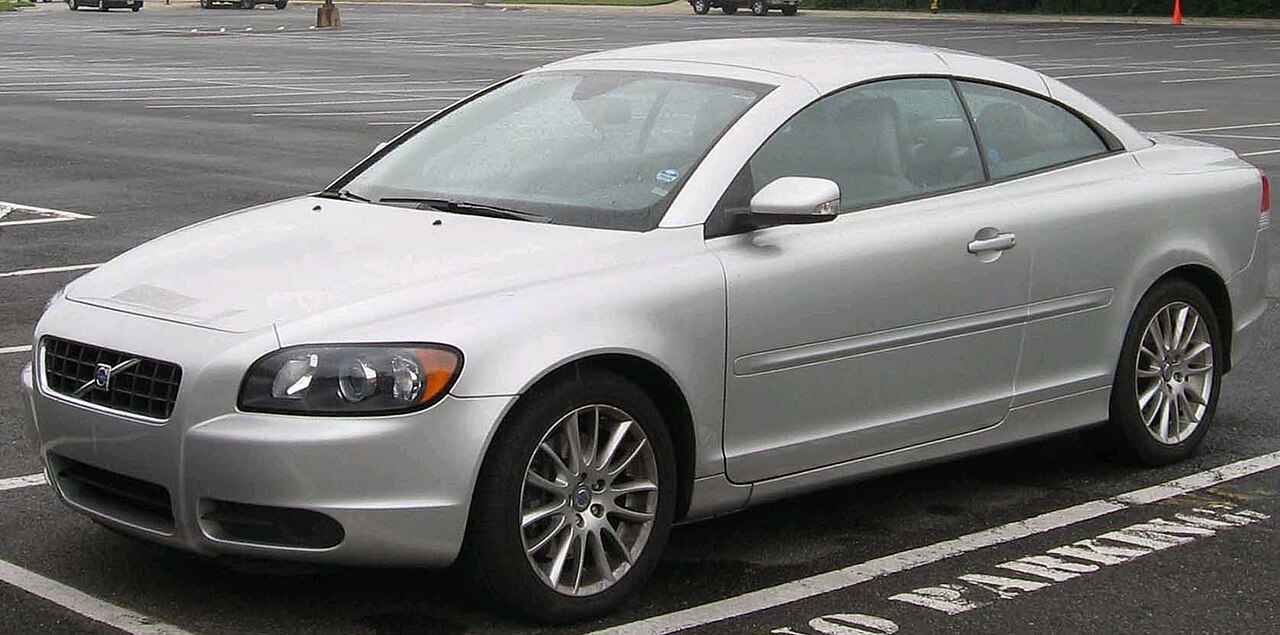
The second-generation Volvo C70 II (2009) is a two-door coupe-convertible equipped with a three-piece power retractable hardtop. It has two main fuse boxes: a … Read more
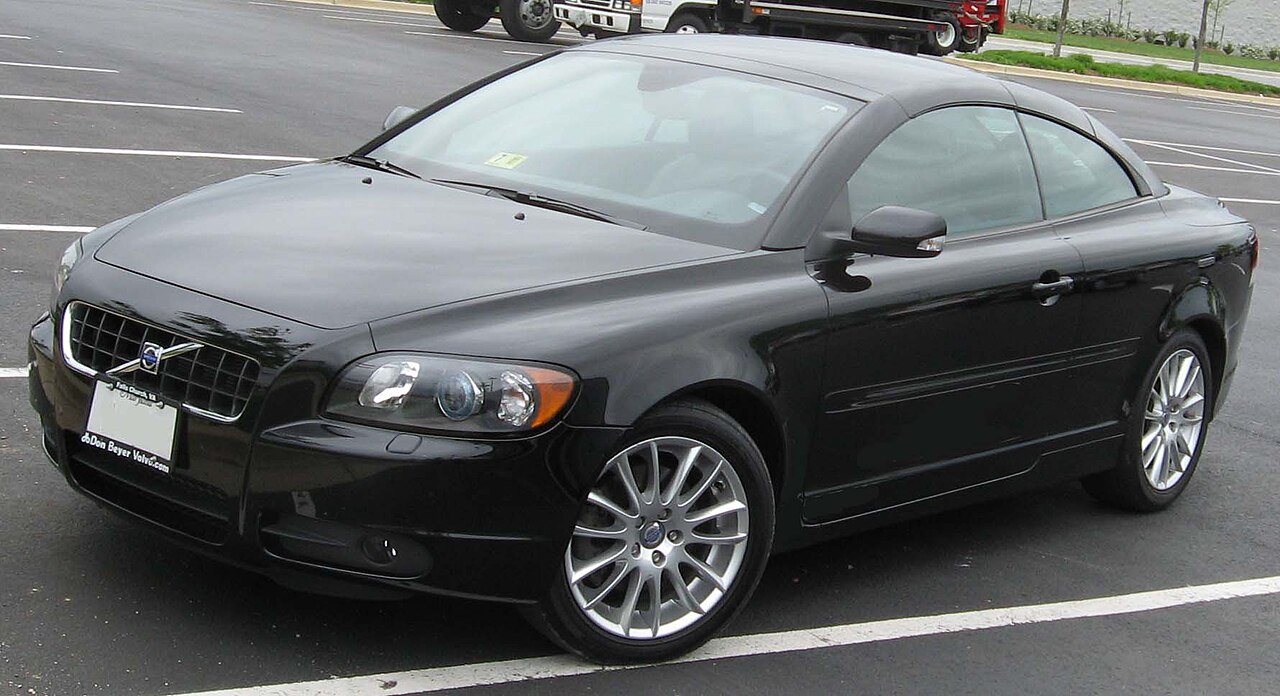
The second-generation Volvo C70 II (2006-2008) is a two-door coupe-convertible equipped with a three-piece power retractable hardtop. It has two main fuse boxes: a … Read more
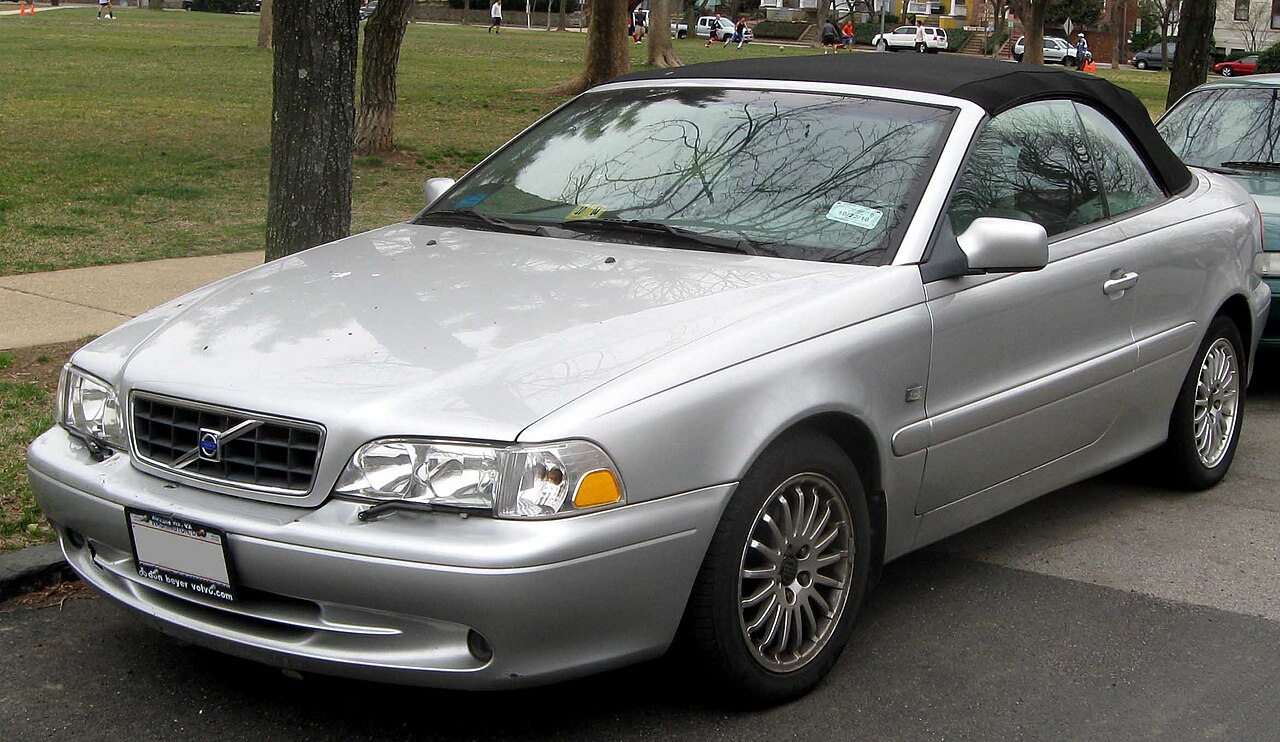
The first-generation Volvo C70 Convertible (2003-2005) has an electrically operated fabric soft top, not the folding hard roof used by the later C70 II. … Read more
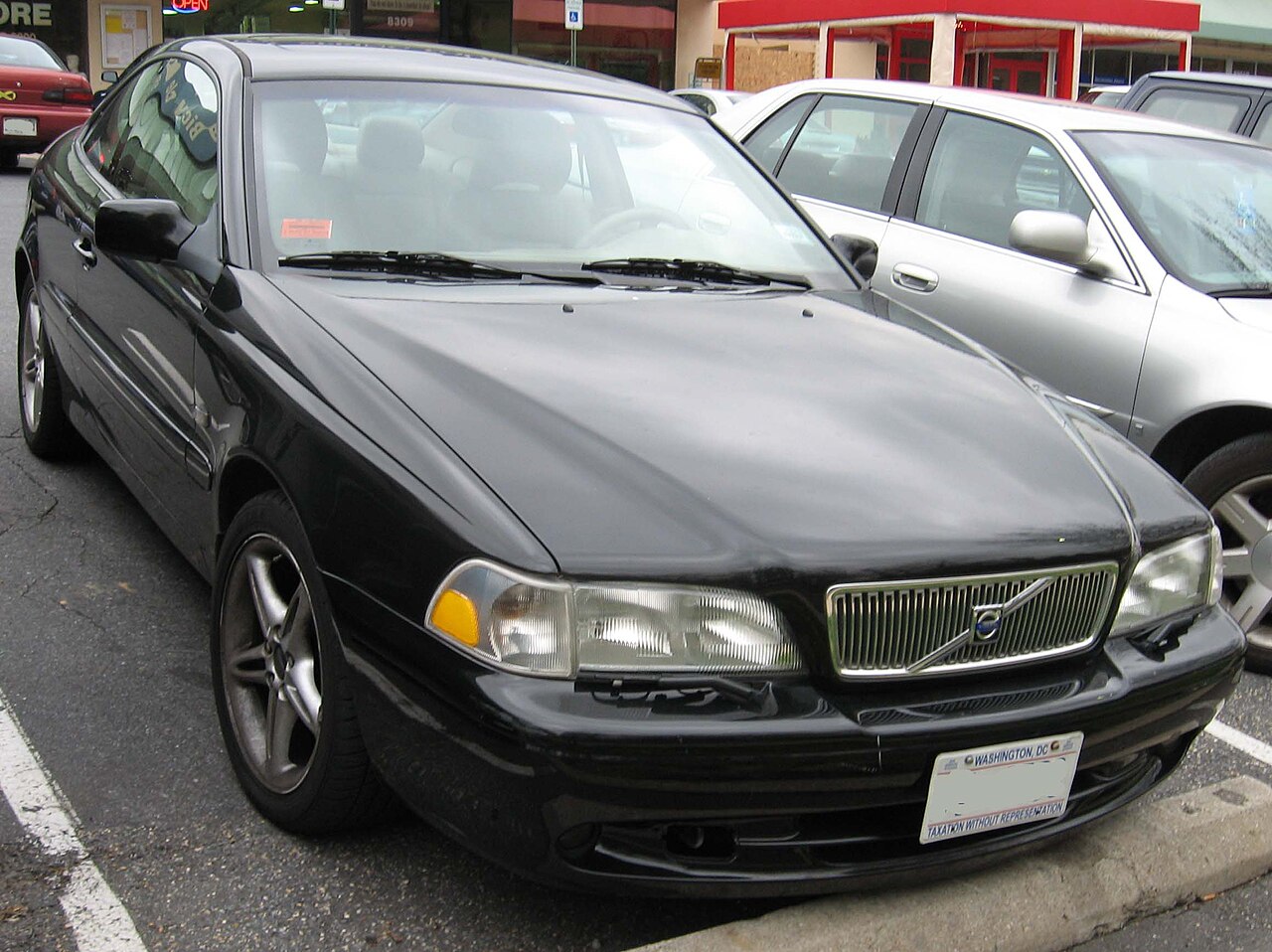
The first-generation Volvo C70 I (2002) was available as the Coupe and the electrically operated soft-top Convertible. Volvo’s 2002 Coupe & Convertible handbook identifies … Read more
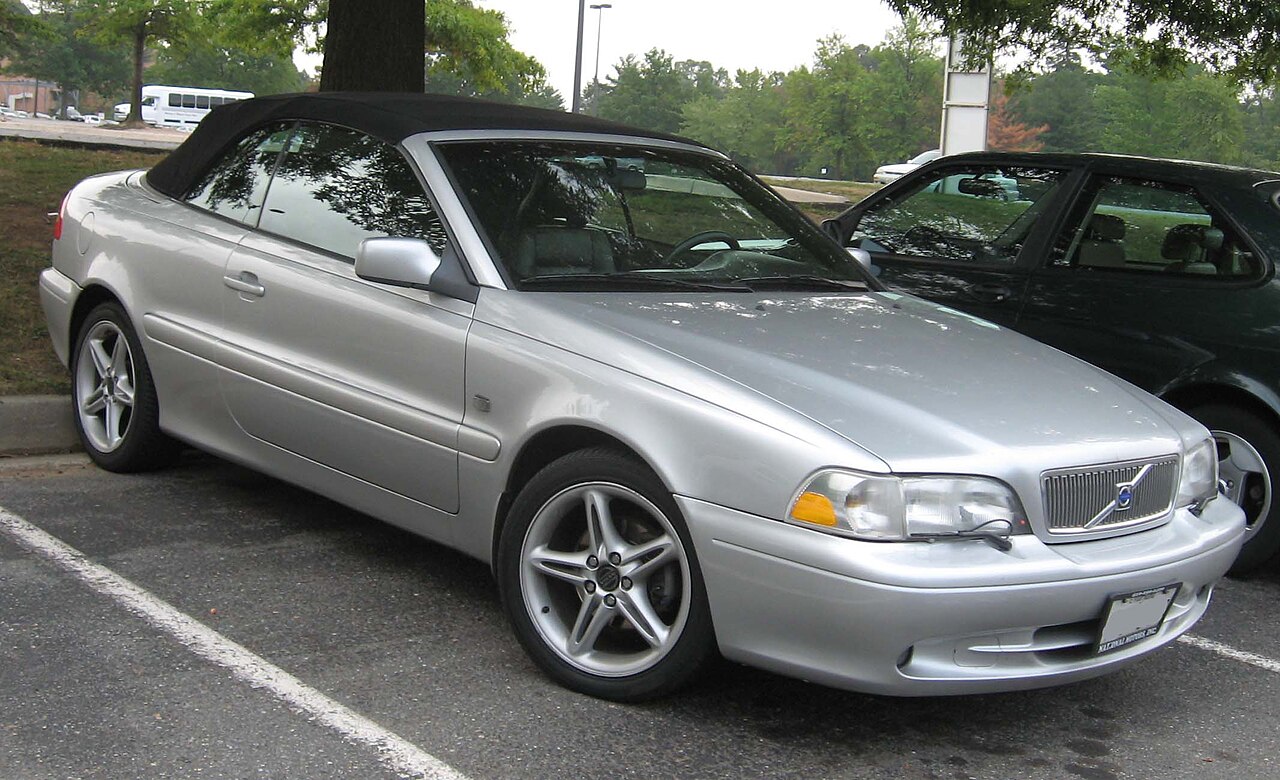
The first-generation Volvo C70 (1999-2000) was sold as a two-door Coupe and a soft-top Convertible. Its original fuse layout has two engine-compartment fuse holders: … Read more
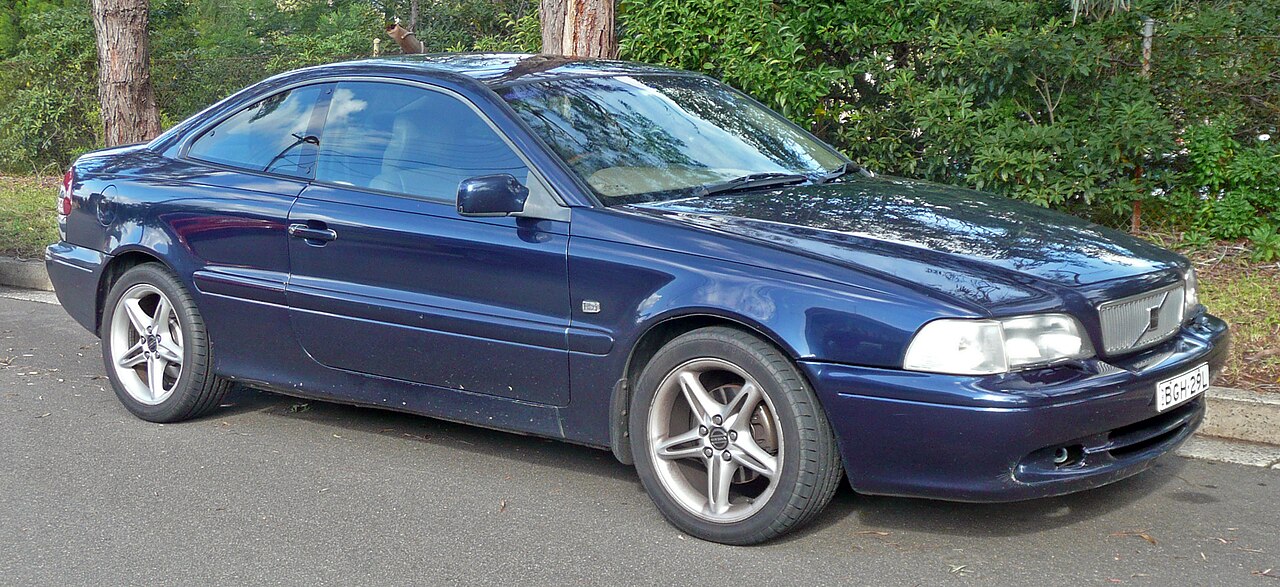
The first-generation Volvo C70 (2001) is a two-door car available as a fixed-roof Coupe or soft-top Convertible. The original Volvo handbook identifies two fuse … Read more